

Skip navigation bar and go to contents
Vivere la campagna
 Agricoltura
 Ambiente
 Bilancio e Patrimonio
 Consigliera di Parità
 Cultura
 Formazione Professionale
 Immigrazione/Emigrazione
 Innovazione Tecnologica
 Lavori pubblici e Viabilità
 Lavoro
 Personale
 Pianificazione Territoriale
 Politiche giovanili
 Politiche Sociali
 Protezione civile
 Pubblica Istruzione
 Sport
Sport
 SUAP
SUAP
 Trasporti
 Turismo
 URP
URP
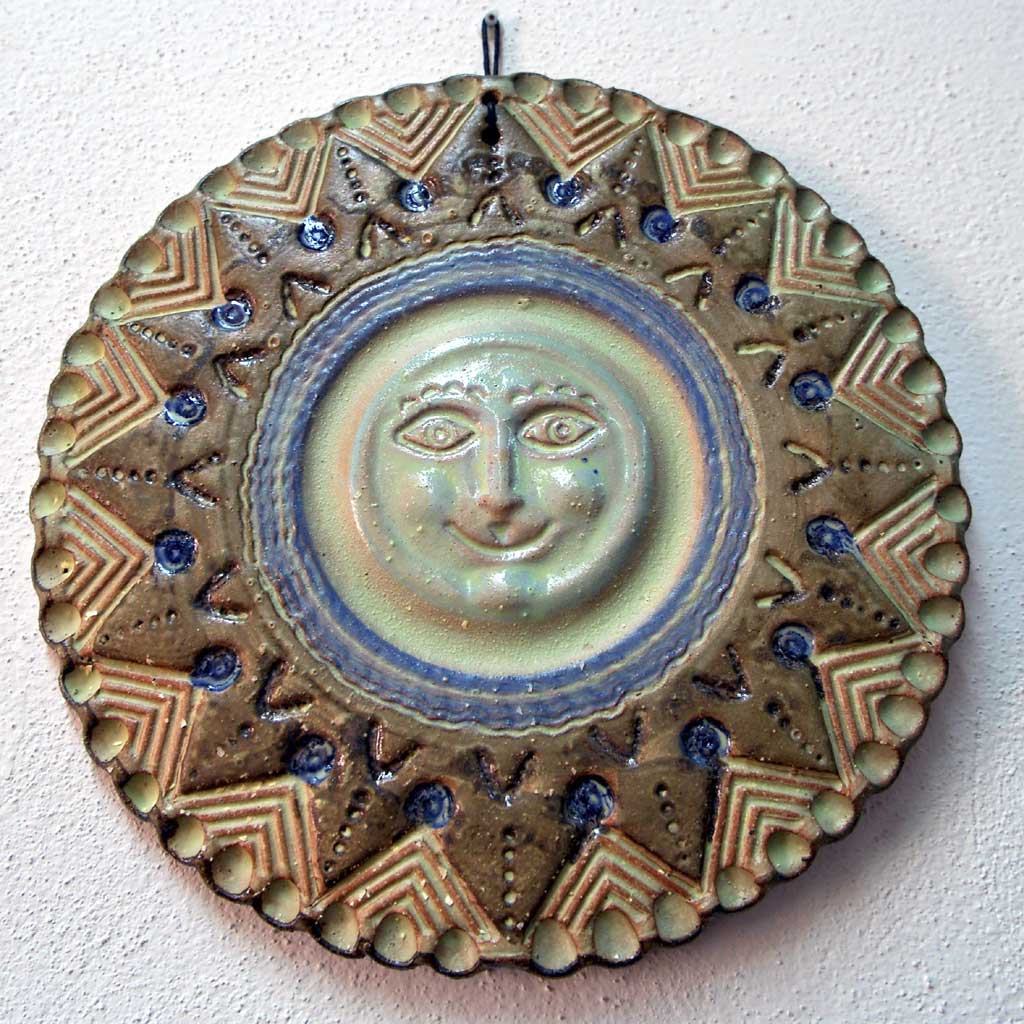


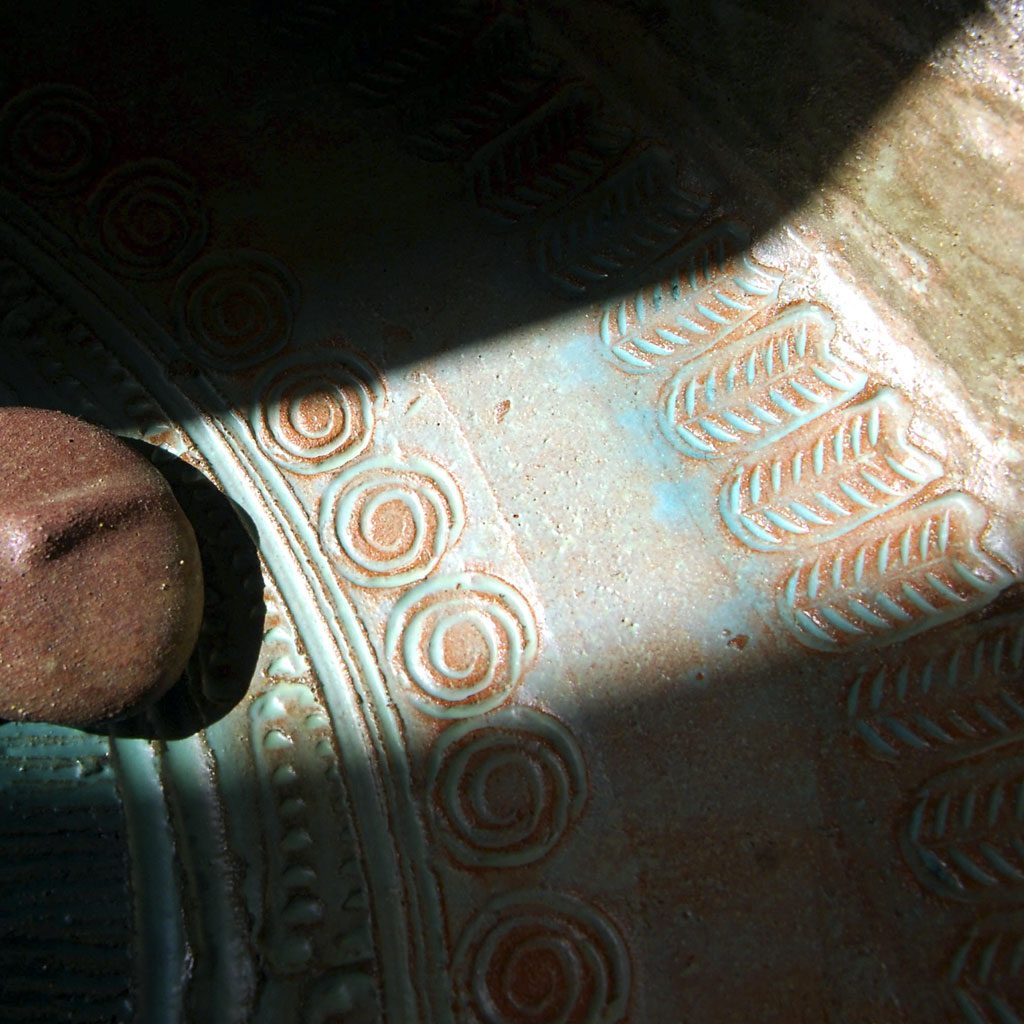

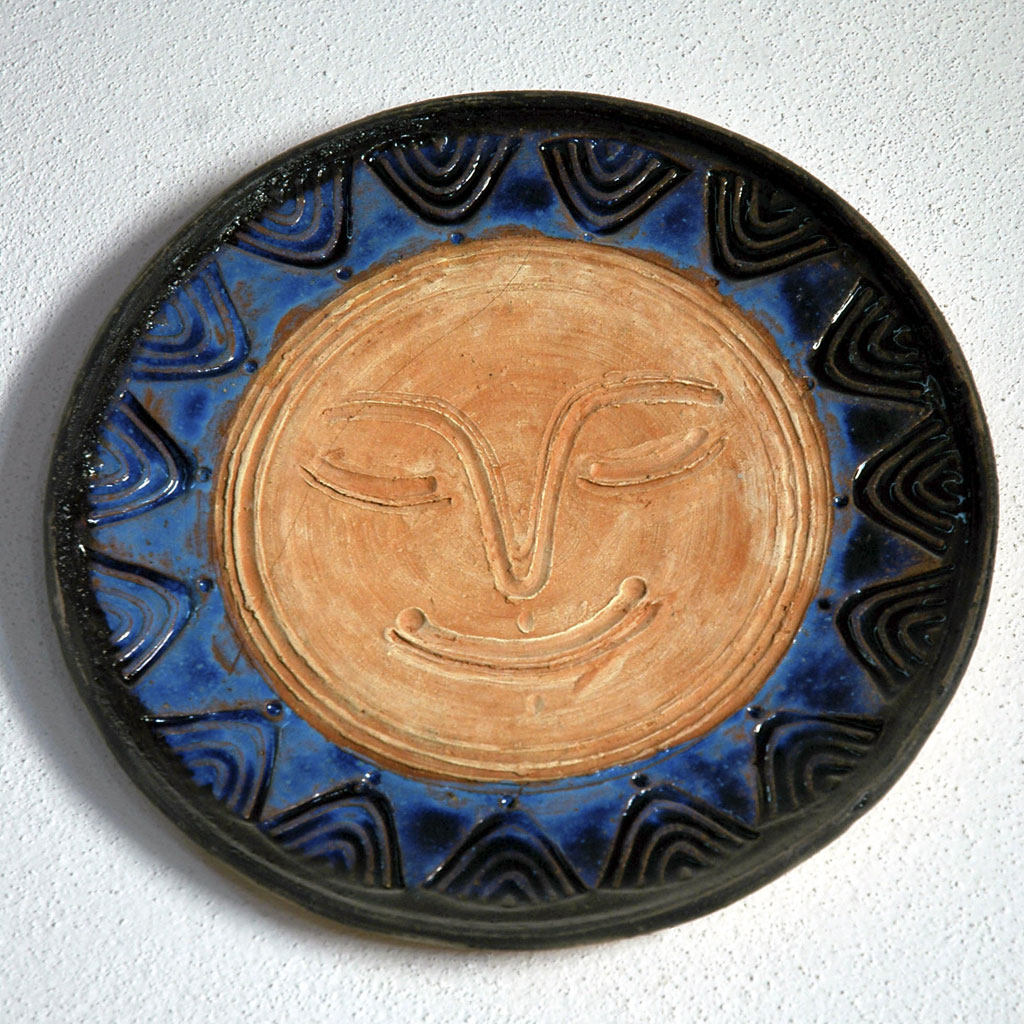


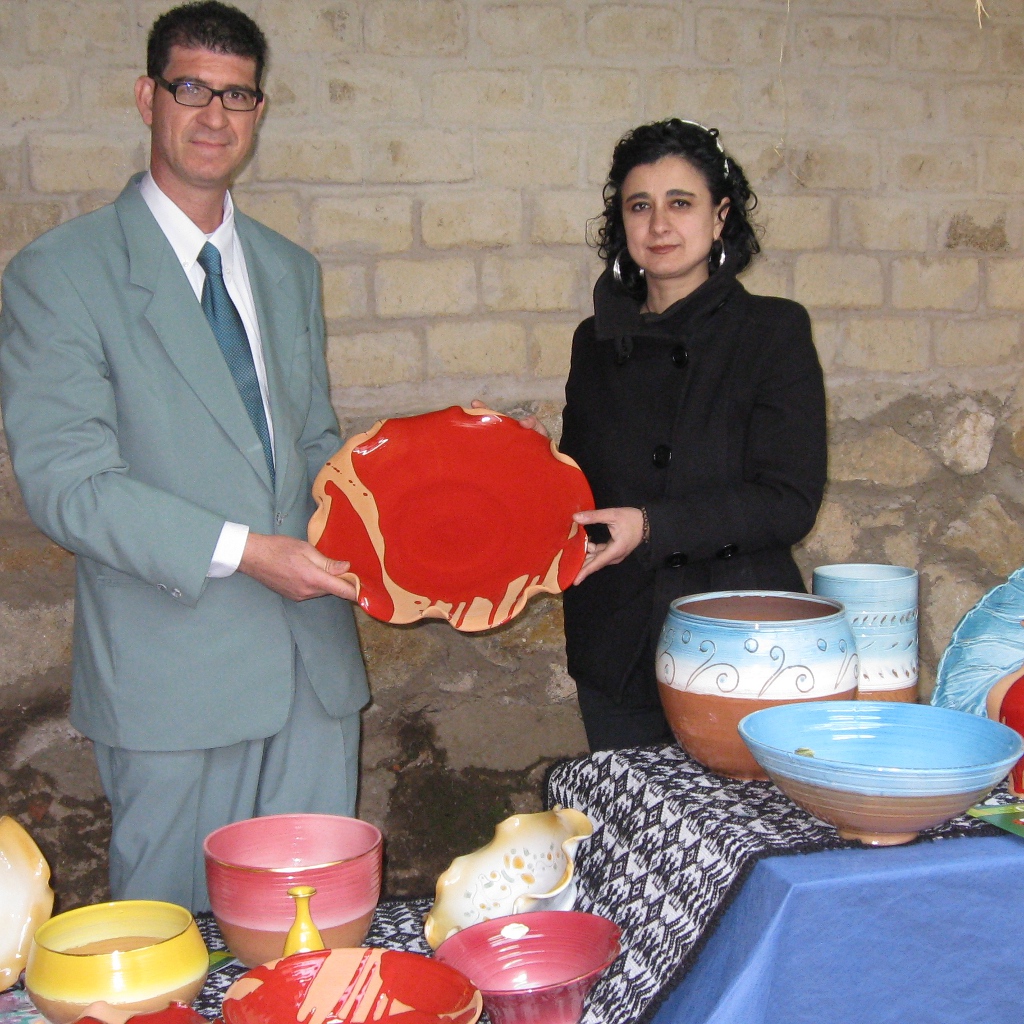

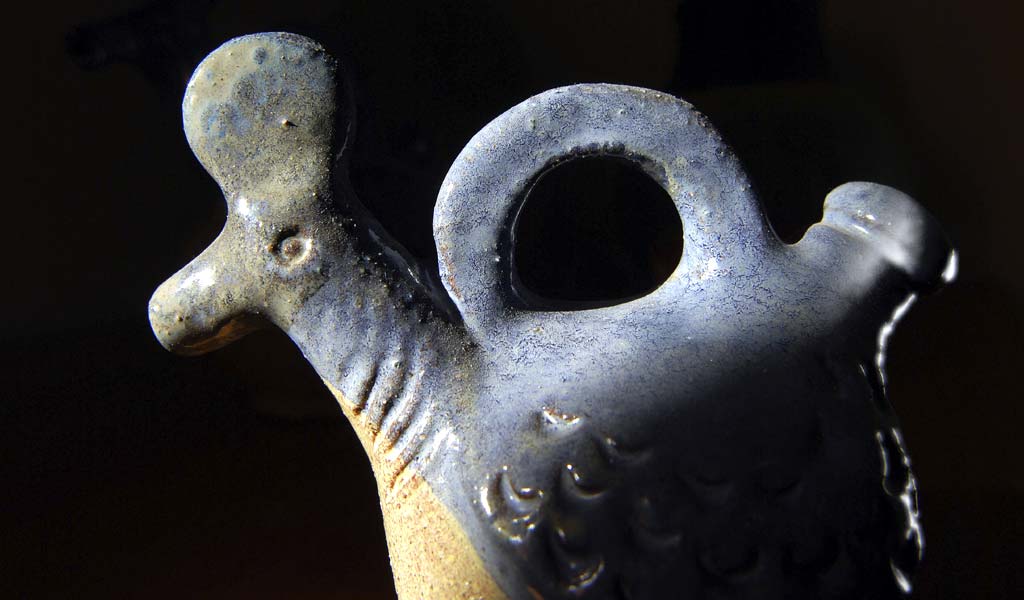
The origins of Sardinian ceramics art are rooted in pre-history. Mainly consists of terra-cotta items, due to the large presence of clays in the island, it has always been characterized by simple forms, including daily-use tools, such as pitchers and jugs (marigas), plates (prattus), glasses (tassas), pots and pans (pingiadas) and cups or coffee-cups (ciccaras), finely decorated.
Production techniques were similar in all the areas in the island (potter’s wheel and coil pot methods); in the same way, the construction technique of firing kilns, glazing and tools for clay modelling were mostly alike.
The village of Pabillonis has always been specialized in cookware manufacturing: indeed, it was known as ‘the pots village’ (sa bidda ‘e is pingiadas), as it would produce crockery for the whole island, being renowned for its resistance to high temperatures as for its lightness and handy shapes. Earthenware high resistance was due to the quality of raw materials, having specific properties, while their durability depended on the care they were handled with - a pan of average size usually lasting 10-12 months.
At present, lots of craftsmen from Middle Campidano still create wonderful objects of ceramics and terra-cotta, finely decorated, which have lost their original daily-use function to become decorative furnishings.


